Mama Gaja Logo
Mama Gaja Expat Guide
— Poland Maternity Guide for Expats

Giving Birth in Poland: Knowledge Hub & Hospital Terms

ℹ️
About Mama Gaja Online Antenatal School in Poland The complete 3x2h video masterclass is currently delivered in Polish (with multi-language audio & subtitles in preparation). This dedicated English Knowledge Hub, bilingual hospital glossary, and printable guides are provided to ensure you navigate your hospital stay and patient rights in Poland with 100% confidence.

10 evidence-based clinical action protocols, 18 vital Polish hospital phrases with exact pronunciation cues, and printable hospital planners in English.

Clinical Step-by-Step Guidance

10 Perinatal Action Protocols

Clear algorithms answering: "What exactly should we do right now?" Created to replace panic with systematic clinical action.

Active Labor Protocol #01

Lower-Rib Breathing Protocol

Systematic breathing pattern keeping pelvic floor tissues supple, maximizing fetal oxygenation, and keeping the mother calm during intense contractions.

1. Nasal Inhale (4s): Inhale deeply expanding lower ribs laterally without raising shoulders.
2. Soft Lip Exhale (8s): Blow slowly through loose, relaxed lips like blowing on warm tea.
3. Jaw Release: Relax jaw completely — relaxed facial muscles directly soften the pelvic floor.
Hospital Timing Protocol #02

Hospital Departure Protocol (5-1-1 Rule)

Clear indicators telling expat parents exactly when it is time to depart for the Polish maternity hospital.

1. Contraction Rhythm: Waves every 4-5 minutes, lasting 60 seconds, regular for at least 1 hour.
2. Amniotic Fluid: If waters break with green/brown tint or bleeding occurs -> go immediately.
3. Documents Ready: Grab Zone 1 folder (Passport/ID, Blood Group Card, GBS result).
Day 3-5 Postpartum Protocol #03

Physiological Lactation Surge & Engorgement Relief

Gentle management of third-to-fifth day breast swelling without aggressive or painful massage.

1. Pre-Feed Warmth: Apply mild warm compress or warm shower 3 mins before nursing to trigger let-down.
2. Post-Feed Cold: Apply chilled gel pack wrapped in cotton cloth for 10-15 mins to reduce tissue edema.
3. Reverse Pressure Softening: Gently press 4 fingertips around areola to allow comfortable baby latch.
Newborn Comfort Protocol #04

Evening Tummy Relief & Soothing Protocol

4-step physical algorithm to release gas, calm crying fits, and soothe the infant's nervous system.

1. Warmth: Apply mildly warmed cherry-pit heating pad over clothes on baby's tummy.
2. Tiger in Tree Hold: Carry baby belly-down on forearm, head supported in elbow bend with gentle pelvic sway.
3. Acoustic Cocoon: Switch on monotonous pink noise (shushing sound) and dim room lights.
Care & Hygiene Protocol #05

Stress-Free Bathing & Umbilical Cord Care

Physiological bathing ritual protecting the natural skin barrier and safely managing the umbilical stump.

1. Water Temp: 37°C checked with thermometer; room temp 22-24°C with no cold drafts.
2. Dry Cord Care: Keep umbilical stump dry and exposed to air. Gently pat dry with clean gauze after bath.
3. Post-Bath: Wrap in warm towel, gently pat dry (never rub), dress in wrapover bodysuit.
Hospital Protocol Protocol #06

Epidural Anesthesia & In-Bed Pelvic Mobility

Maintaining progress and baby rotation even when receiving epidural anesthesia (ZZO) in Polish delivery rooms.

1. Peanut Ball Positioning: Lie on your side with a peanut ball between knees to open pelvic diameters.
2. Side Alternation: Rotate from left side to right side every 30-40 minutes with partner's help.
3. Hydration: Continue sipping water through a bendy straw every 15 minutes.
Partner Support Protocol #07

Partner Counter-Pressure & Advocacy Protocol

Physical techniques and communication strategies for the partner to advocate for the mother in Polish hospitals.

1. Sacral Counter-Pressure: Firmly press heel of hand or tennis ball against lower back during contractions.
2. Hospital Communication: Present the Birth Plan politely and ask questions in English or Polish.
3. Kangaroo Care Backup: Place baby on partner's bare chest if mother needs postpartum recovery.
Postpartum Recovery Protocol #08

Postpartum & C-Section Scar Recovery Protocol

Evidence-based wound care, dry hygiene, and scar mobilization protecting against adhesions.

1. Dry Hygiene: Wash gently with warm water, pat dry with clean paper towels, never rub.
2. Air Exposure: Let perineum or C-section incision air dry for 15 minutes twice daily.
3. Scar Mobilization: Begin gentle skin shifts around scar starting week 5-6 once fully healed.
Feeding Alternative Protocol #09

Exclusive Pumping Protocol (KPI)

Structured plan for pumping and feeding mother's milk when direct breastfeeding is temporarily difficult.

1. Flange Fit: Measure nipple diameter in mm to ensure zero pain or chafing.
2. Pumping Rhythm: Pump 7-8 times daily for 15-20 mins using double electric breast pump.
3. Paced Bottle Feeding: Keep bottle horizontal so baby actively sucks rather than being flooded.
Nursery Safety Protocol #10

Safe Infant Sleep & Nursery Climate

Certified safe sleep guidelines eliminating SIDS risk factors and ensuring free breathing.

1. Firm Flat Mattress: Fitted sheet only, sleeping bag instead of loose blankets, no pillows or crib bumpers.
2. Room Climate: Keep nursery temperature at 18-20°C and humidity at 50-60%.
3. Back to Sleep: Always place baby on their back to sleep on a dedicated flat surface.
Bilingual Hospital Compendium

Polish Maternity & Hospital Glossary

18 essential concepts explained in plain English, with exact Polish phrases used by Polish doctors and midwives during labor and postpartum.

Term #01 📋

Birth Preferences Plan

Polish Hospital Term: Plan Narodzin

A written, standardized set of preferences regarding birth positions, umbilical cord cutting, skin-to-skin contact, and privacy rights.

💡 Tip: Print 3 copies in Polish and keep them at the very top of your Zone 1 bag folder.
Term #02 🌬️

Lower-Rib Breathing (Diaphragmatic)

Polish Hospital Term: Oddech Dolnożebrowy

Inhalation directing air into the sides and back of the lower ribcage without lifting the shoulders, relaxing the pelvic floor muscles.

💡 Tip: Practice 5 minutes daily by wrapping a scarf around your lower ribs to feel the lateral expansion.
Term #03 🧍‍♀️

Vertical / Upright Positioning

Polish Hospital Term: Pozycje Wertykalne

Standing, kneeling, forward-leaning, and squatting positions that use gravity to widen pelvic diameters by up to 28-30%.

💡 Tip: Change positions every 20-30 minutes during active phases.
Term #04 🌊

Pre-Labor Wave Rhythm (Braxton-Hicks)

Polish Hospital Term: Rytm Przygotowawczy

Irregular, painless or mild uterine practice tightenings preparing muscle fibers without cervical effacement.

💡 Tip: Take a warm shower or drink water; preparatory waves subside, true birth waves continue.
Term #05 🛡️

Mucus Plug Barrier

Polish Hospital Term: Czop Uszczelniający

A dense protective gel that seals the cervical canal during pregnancy, naturally shedding hours or days before birth.

💡 Tip: Its release is a sign of cervical ripening, not an emergency; remain calm at home.
Term #06

Fourth Trimester / Golden Weeks

Polish Hospital Term: Czwarty Trymestr / Złote Tygodnie

The first 6-8 weeks postpartum dedicated to biological regeneration of pelvic tissues, hormonal reset, and newborn bonding.

💡 Tip: Limit visitors during the first 2 weeks to establish calm feeding and resting rhythms.
Term #07 🤱

Skin-to-Skin Contact (Bonding)

Polish Hospital Term: Kontakt Skóra do Skóry

Placing the naked newborn directly on the mother's bare chest for at least 2 hours immediately after birth to regulate body temperature and trigger lactation.

💡 Tip: Request this explicitly in your Birth Plan for Polish hospital staff.
Term #08 🦩

Stork Walk Biomechanics

Polish Hospital Term: Chód Bociana

Walking with asymmetrical leg lifting or stair climbing sideways to rotate pelvic bones and guide baby's optimal head alignment.

💡 Tip: Step onto low platforms or stairs one foot sideways during early rhythm phases.
Term #09 🐅

Tiger in the Tree Hold

Polish Hospital Term: Pozycja Tygryska

Carrying the baby tummy-down along the parent's forearm, head supported in the elbow crook, gently compressing the belly to relieve gas.

💡 Tip: Ideal for evening colic and tummy tension soothing.
Term #10

Vernix Caseosa Barrier

Polish Hospital Term: Naturalna Maź Ochronna

The biological biofilm covering newborn skin, rich in antimicrobial proteins and lipids, protecting against dryness.

💡 Tip: Do not wipe or bathe on the first day; let it absorb naturally into the skin.
Term #11 👶

Transitional Adaptation States

Polish Hospital Term: Stany Adaptacyjne Noworodka

Normal physiological adjustments in newborns (mild jaundice, dry peeling skin, transient hormonal marks) requiring watchful patience, not medical panic.

💡 Tip: Observe wet diapers and active feeding rather than isolated skin peeling.
Term #12 🥛

Lactation Tension Balance

Polish Hospital Term: Regulacja Napięcia Laktacyjnego

Physiological breast fullness around day 3-5 postpartum. Soft warm compresses and reverse pressure softening before feeding, followed by cool compresses after.

💡 Tip: Never perform painful, forceful breast squeezing.
Term #13 💨

Air Drying Hygiene

Polish Hospital Term: Wietrzenie Powłok

Exposing the perineum or post-cesarean incision and baby's diaper area to fresh room air to accelerate tissue healing.

💡 Tip: Lie on an absorbent pad without underwear for 15-20 minutes after washing.
Term #14 🧣

Rebozo Sifting Technique

Polish Hospital Term: Balansowanie Rebozo

Using a woven Mexican cloth gently wrapped around the hips or belly to provide micro-pulsations that release tension in pelvic ligaments.

💡 Tip: Great partner relaxation technique before sleep and during rhythm transitions.
Term #15 🍼

Exclusive Pumping (KPI)

Polish Hospital Term: Karmienie KPI

Feeding the baby pumped maternal milk via bottle when direct latching is temporarily challenging.

💡 Tip: A fully equivalent, dedicated form of natural infant feeding.
Term #16 🧸

Clean Minimalist Nursery Setup

Polish Hospital Term: Kącik Minimalistyczny

Safe baby sleep space limited to a firm mattress, fitted sheet, sleeping bag, and water-accessible changing mat.

💡 Tip: Eliminate plush bumpers, pillows, and decorative blankets to ensure safe breathing.
Term #17 🩹

Scar Tissue Mobilization

Polish Hospital Term: Masaż Aktywacyjny Blizny

Gentle manual skin sliding and circular shifting around the cesarean or perineal scar started after full healing (week 5-6) to restore tissue elasticity.

💡 Tip: Never massage on an open, scabbed, or inflamed wound.
Term #18 🛁

Potato Starch Soothing Bath

Polish Hospital Term: Krochmalowy Rytuał Łagodzący

A traditional hypoallergenic bath using cooked potato starch liquid (kissel consistency) to soothe redness, diaper rash, and baby skin irritation.

💡 Tip: Requires no soaps or synthetic bubble baths; pat dry gently with a cotton towel.
Free Downloadable Resources

Printable English Maternity Planners

Instant printable PDF resources prepared by our medical faculty for expat families in Poland.

🎒
PDF Checklist

3-Zone Hospital Packing Checklist (Poland)

Minimalist, organized packing checklist tailored for Polish hospitals: Zone 1 (Birth Room), Zone 2 (Postpartum Ward), Zone 3 (Baby Essentials).

  • ✓ Specific requirements for Polish maternity wards
  • ✓ Document checklist (Blood group, GBS, Passport)
  • ✓ Ready for instant A4 printing
🤝
Partner Action Plan

Partner Roadmap: 26 Essential Roles

Step-by-step checklist empowering the partner to take full charge of logistics, communication with Polish staff, counter-pressure, and postpartum care.

  • ✓ 6 preparation roles before labor starts
  • ✓ 7 active labor & delivery room duties
  • ✓ 13 fourth trimester domestic support roles
Nursery Poster

Quick Action Poster: Tummy Relief & CPR

High-contrast visual safety poster designed to hang near the changing table for instant calm during colic or emergencies.

  • ✓ 4-step evening colic physical algorithm
  • ✓ Certified infant CPR emergency sequence
  • ✓ Polish emergency numbers (112) guidelines
Evidence-Based Clinical Faculty

Developed by Poland's Leading Specialists

Every protocol and term in this knowledge base is authored by practicing midwives, IBCLC lactation consultants, and pediatric physiotherapists.
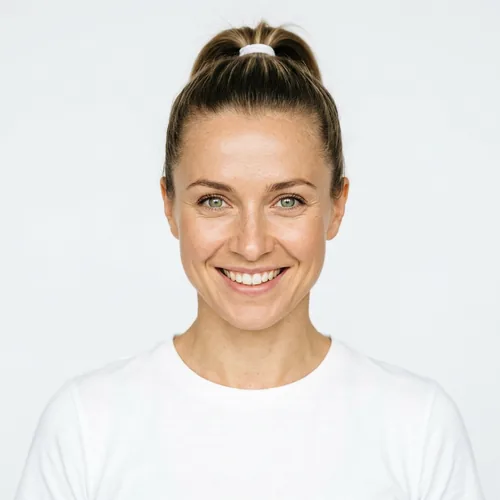
Julia

Julia

Hospital Midwife & Doula

Active delivery room midwife assisting hundreds of births in Polish hospitals. Expert in vertical labor biomechanics and patient advocacy.
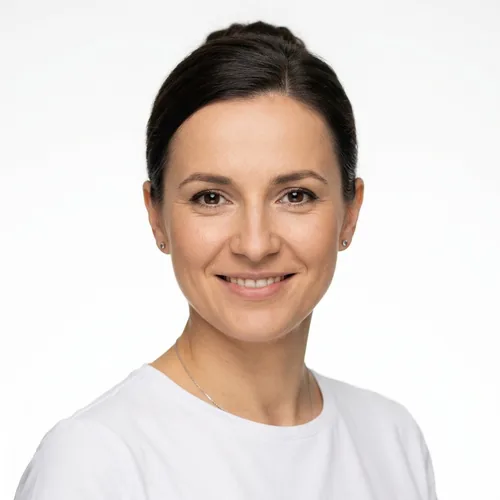
Ewa

Ewa

IBCLC Lactation Specialist

Certified International Board Lactation Consultant. Specialist in early postpartum milk regulation, pain-free latching, and KPI guidance.

Ania

Ania

Urogynecological Physiotherapist

Clinical physiotherapist specializing in pelvic floor preparation, lower-rib breathing biomechanics, and C-section scar mobilization.

Marta

Marta

Pediatric Physiotherapist

Newborn motor development specialist. Creator of the evening tummy soothing holds (Tiger in Tree) and safe nursery ergonomics.

Frequently Asked Questions

Giving Birth in Poland as an Expat

Can my partner accompany me in Polish delivery rooms?

Yes! In Poland, standard perinatal care law (Standard Opieki Okołoporodowej) guarantees the mother's right to have 1 continuous accompanying person (partner, family member, or doula) during natural birth without extra hospital fees.

What if the medical staff does not speak fluent English?

That is why we created the Polish Hospital Glossary above. Print our bilingual Plan of Birth Preferences in Polish, and show the exact medical terms (e.g. Znieczulenie ZZO, Kontakt skóra do skóry). Polish hospital personnel are very receptive when clear written preferences are presented upon admission.

Is the Mama Gaja video course available in English?

The core 3x2h video masterclass is currently recorded in Polish with Polish instructors, while multi-language subtitle tracks and international audio are in production. The knowledge base, printable planners, and medical term checklists on this page are provided in English to help all expat parents right now.